What Ledger.com/start Is Used For
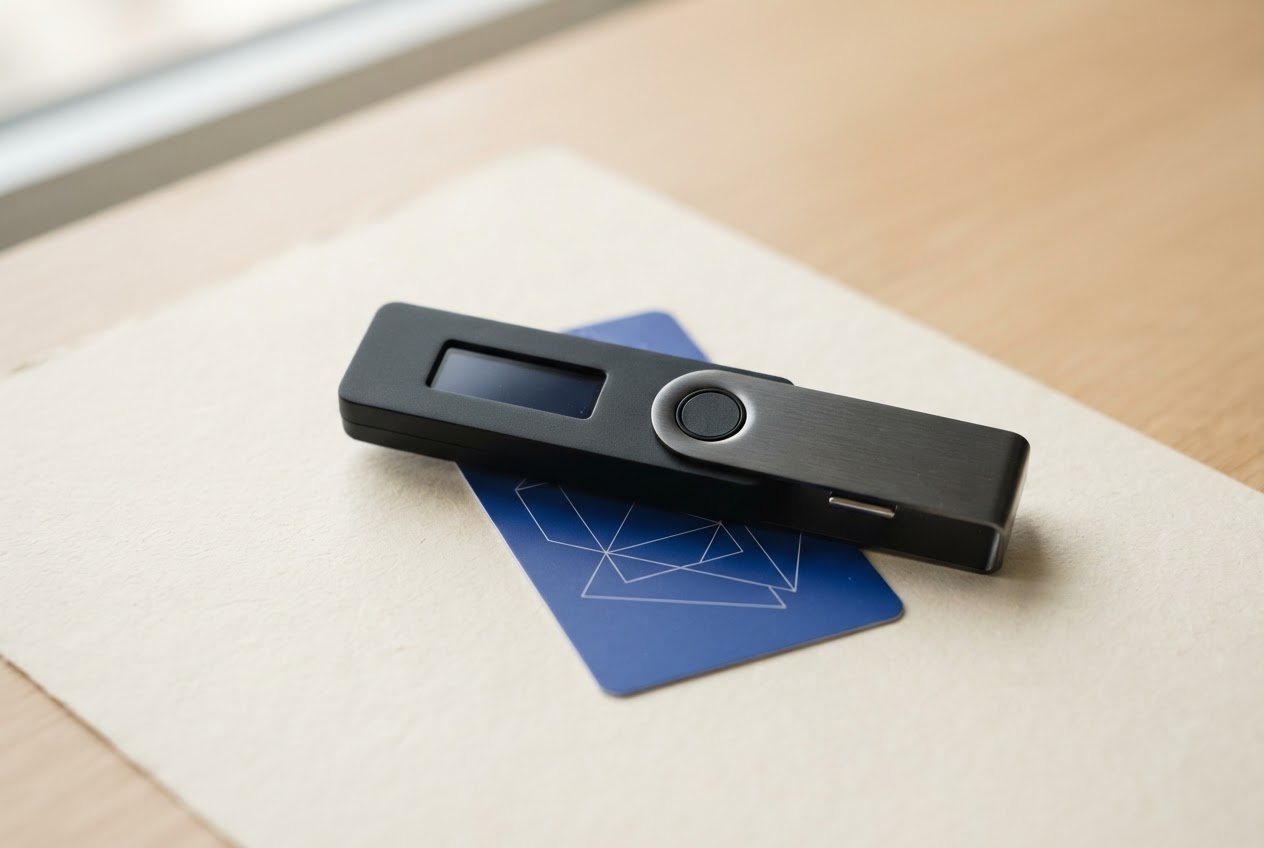
Ledger.com/start is a starting point people commonly look for when they are ready to configure a Ledger hardware wallet. The setup experience is designed to help you get the companion software, initialize a device, and learn how transactions are approved. This page is an independent guide; it is not Ledger’s official website, and it does not distribute software.
Think of the start page as a route into a process—not as a substitute for careful verification. When you are ready, type the address yourself and check the spelling before continuing. Use the manufacturer’s official resources for current device-specific instructions.
One essential distinction
A hardware wallet helps keep private keys isolated from internet-connected devices. It does not remove the need to verify addresses, protect recovery information, or think carefully before approving a transaction.
Preparing Before Wallet Setup
Make setup a deliberate activity rather than something squeezed between messages. Choose a private, well-lit place and allow enough time to read each screen. Have the wallet, its cable if needed, and a trusted computer or phone ready. Install companion software only through a verified source linked from the manufacturer’s official site or app store listing.
Before you begin, inspect packaging and the device for anything that looks altered. A new wallet should be initialized by you, not arrive with a recovery phrase already written down or a PIN supplied by someone else. If anything feels unusual, pause and contact the manufacturer through a verified support channel.
Time, a trusted device, updated software, and a quiet place.
Prewritten recovery words, unsolicited links, and shared screens.
Understanding the Setup Journey
The exact screens vary by wallet model and software version, but most first-time setups follow a familiar sequence. Move slowly; there is no benefit to rushing security steps.
- 1Choose new or restore.
If this is your first wallet, follow the flow to create a new one. Restore is for an existing recovery phrase you already control.
- 2Set a device PIN.
Choose a code that is hard to guess and that you can enter privately. Never share it with support or another person.
- 3Record recovery words offline.
Write them down exactly as displayed, in order, using the supplied method. Do not photograph, copy, or type them into a computer.
- 4Complete the verification prompts.
Confirm the words on the device when asked. Then review the software’s onboarding and security guidance.
Setup should not require you to disclose a recovery phrase to a website, a chat agent, or an app. If any prompt asks for that, stop and verify independently.
Device Verification and Security
Verification is about confidence in both the device and the software communicating with it. Use the official companion app’s genuine-device or authenticity check where available, and follow the instructions for your exact model. Keep the device firmware and companion software current, but start updates from within verified software—not from an unsolicited message or pop-up.
When sending or receiving assets, compare the address shown in the companion app with the address displayed on the wallet itself. Treat the device screen as the final checkpoint. A familiar-looking address on a computer is not enough if the device displays something different.
Approval is a real action.
Read the transaction details on the hardware wallet before confirming. If you do not understand the destination or amount, reject it and investigate.
Protecting Recovery Information
Your recovery phrase is the backup that can restore access to the wallet. Anyone who obtains it may be able to control the assets associated with it. Keep it offline, private, and somewhere protected from casual access, fire, water, and loss. Consider a second secure location only if you can manage the added exposure responsibly.
Never enter recovery words into a phone, browser, cloud note, email, or support conversation. Genuine support teams do not need your phrase. If a phrase may have been exposed, use official guidance to move assets to a newly secured wallet; changing a device PIN does not make a compromised phrase safe.
Common Beginner Mistakes
Most avoidable problems come from pressure, misplaced trust, or skipping a second look. Be alert to sponsored search results and look-alike domains, especially when searching for Ledger.com/start. Bookmark verified resources after you have checked them rather than following links in unexpected texts or direct messages.
Other common mistakes include storing a recovery phrase digitally, accepting a pre-initialized device, approving a transaction without checking the device screen, and assuming a wallet can reverse an on-chain transfer. Transfers can be difficult or impossible to undo, so test carefully and verify recipient details every time.
SAVE THIS FOR LATER
Simple Security Checklist
Before you finish setup, take a moment to walk through these basics.
I reached setup through a verified official source.
✓I initialized the device myself and set my own PIN.
✓I recorded the recovery words offline, in order.
✓I will never share or digitally store my recovery phrase.
✓I will verify destination details on the device screen.
✓Final Takeaway
Starting with a hardware wallet is less about mastering every feature on day one and more about building a few strong habits: use verified sources, keep recovery information offline, and confirm each important action on the device. Ledger.com/start can be a useful signpost as you begin, but your best protection is a careful process you understand.